
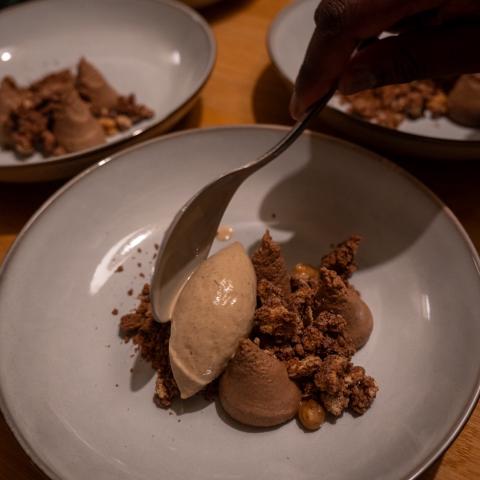

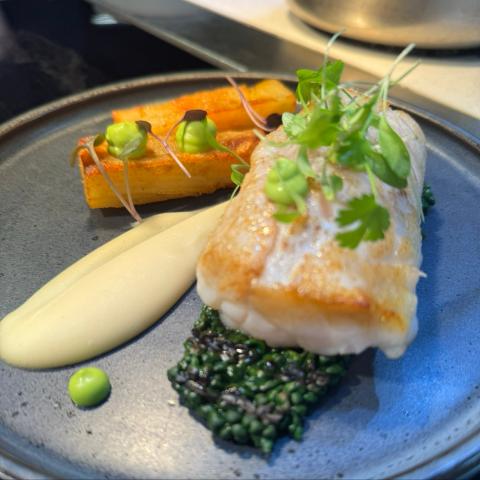

So, what does a private chef do? A private chef comes to your home, plans a menu around what you want, does the food shop, cooks the whole meal in your kitchen, serves each course, and cleans up before they leave. You buy a relaxed dinner in your own house with none of the work. That is the job, start to finish.
Picture a Saturday in Dublin. It is your mam's sixtieth, there are nine of you, and the thought of doing a three-course dinner yourself makes you want to lie down. You could book a table somewhere loud and end up split across two ends of it. Or someone arrives at half five, takes over your kitchen, and you sit with your family the whole night. That second option is a private chef, and it is far less of a splurge than most people assume.
The phrase carries a lot of baggage. People hear 'private chef' and picture a footballer's mansion or a yacht off Monaco. That picture is wrong, and it stops a lot of ordinary people from booking a really good night. Let's go through what actually happens and who really uses them.
What does a private chef do on the night?
The work starts well before anyone rings your doorbell. Most of it you never see, which is sort of the point. Here is the run of a normal booking, in order.
- Plans the menu with you. You tell them the occasion, how many people, any allergies or fussy eaters, and roughly the kind of food you fancy. They come back with a menu that fits. Some chefs offer set menus you pick from, others build it around you.
- Does the shop. The chef sources the ingredients, picks the produce, deals with the butcher and the fishmonger. You do not get a list of messages to run on the day.
- Arrives and sets up in your kitchen. They bring their own knives and the bits they need, work with the hob and oven you have, and get on with it.
- Cooks the full meal fresh, course by course. Nothing is reheated from a foil tray. It is cooked in your house while you have a drink in the next room.
- Serves each course at the table. Plated properly, brought out when it is meant to be eaten, paced like a restaurant.
- Cleans the kitchen before leaving. Pots washed, surfaces wiped, your kitchen left the way they found it. This is the part people forget and the part they love most the next morning.
You are not just paying for the food. You are paying for the four hours of your own evening that you get back, and for not standing at the sink at midnight while everyone else is still chatting.
Private chef vs personal chef: are they the same thing?
People use the two terms loosely, and honestly the line is blurry. Here is the rough difference as most people in Ireland mean it.
A private chef usually means a one-off. A dinner party, an anniversary, a birthday, a special occasion. They come for that night, cook, serve, clean, and the booking is done.
A personal chef tends to mean something more regular. Think of someone who cooks for the same household week in, week out, sometimes batch-cooking a few days of meals to leave in the fridge. It is an ongoing arrangement rather than a single event.
For most people booking a private chef in Ireland, you want the first kind: one great evening, no commitment beyond it. That is what we are talking about for the rest of this post. If a chef offers a recurring arrangement, that is a separate conversation you can have with them directly.
Who actually books a private chef?
Not who you think. The honest answer is ordinary people marking an ordinary occasion, who decided once that they would rather host than be a guest in a restaurant.
- Couples doing an anniversary at home instead of fighting for a table on Valentine's weekend.
- Families running a milestone birthday, a christening lunch, or a retirement do where they want everyone around one table.
- Parents of small kids who cannot easily get out, so they bring the nice meal in once the children are down.
- A group of friends who would rather split the cost of one chef than the bill at a city-centre restaurant with a two-hour limit on the table.
- People hosting a sit-down dinner for in-laws or a new partner's family, where the cooking would otherwise wreck the whole evening for the host.
- Small work gatherings or a team dinner held in someone's house rather than a function room.
The common thread is wanting a night off from the work without giving up your own kitchen and table. None of that requires a yacht.
Where do the cost myths come from?
The 'only for the rich' idea comes from two places. The first is telly. Every private chef you have ever seen on screen worked for someone in a penthouse, so that is the only image in your head. The second is a real maths error: people compare the headline price of a chef to the cost of cooking it themselves, instead of comparing it to a night out.
Do the fair comparison. A dinner for six in a decent Dublin restaurant, with starters, mains, a few bottles of wine and the taxis home, climbs fast. A private chef cooking the same six people a three-course meal at home, where your own wine is in the fridge and nobody is calling a taxi, often lands in the same ballpark. And you got to stay in your slippers.
On CaterKin, private chefs typically charge somewhere around €40 to €120 per person, though hosts set their own prices and the figure moves with the menu, the number of courses and the produce. Some chefs and caterers set a minimum order, shown on their profile, so you know the floor before you ask. Here is roughly how the four food services compare so you can see where a chef sits.
| Service | Typical price in Ireland | Priced by |
|---|---|---|
| Private chef | About €40 to €120 per person | Packages and menu items the host sets |
| Event catering | About €25 to €150 per person | Packages and menu items the host sets |
| Cooking class | About €35 to €100 per person | Per person (ticket times number of people) |
| Food experience | From about €30 per person | Per person (ticket times number of people) |
Those are typical ranges, not fixed prices. Every host on CaterKin sets their own. The number you actually pay depends on the chef and the menu you agree, not on any platform-wide rate.
What does a private chef not do?
Worth being straight about this so there are no surprises. A private chef is there to cook and serve a meal, not to be your full waiting staff for a wedding. For a big formal event with table service for fifty, you are into event catering territory, which is a different listing and a different setup.
They are also not a cleaning service beyond the kitchen they used. They leave your kitchen tidy. They are not hoovering the sitting room. And the menu is a conversation, not a magic trick, so give them the allergies, the dislikes and the real headcount up front and you will get a far better night.
How does booking and paying actually work?
This is the bit people worry about, so here is exactly how it goes on CaterKin. You browse a chef, look at their packages and menus, and either request the booking directly or message the chef first to agree a custom quote in the chat, then pay.
When you request and enter your card details, only a hold is placed. You are not charged at that moment. You are charged only when the chef accepts the booking. If the chef declines, or simply does not respond, the hold is released and you are never charged a cent. Payments run through Stripe, so your card details never touch CaterKin itself.
Every host is reviewed and approved by the CaterKin team before they go live, and each one completes Stripe's identity checks so they can be paid. You and the chef talk through in-app messaging. Only a first name and photo are shared between you, never your email or phone. Your event address is shared with the chef for the obvious reason that they need to know where to cook.
If your plans change, the cancellation refund depends on timing. Cancel seven or more days before the event and you get 100% of the service price back. Three to seven days, 50%. One to three days, 25%. Under 24 hours, nothing back. The processing fee is not refundable. And if a chef cancels a confirmed booking on you, you get 100% back including fees.
Inventory is strongest in Dublin right now and growing in other cities, so the easiest way to see real prices is to open a few actual chef profiles rather than guess from a range.
Frequently asked questions
Is a private chef worth it?
For a special occasion, often yes, once you compare it to the right thing. Put it against a night out for the same group, with the restaurant bill, the wine and the taxis, rather than against cooking it yourself. You usually land in a similar ballpark and you get your own evening back, plus a clean kitchen the next morning. For a regular Tuesday dinner, no. It is for occasions.
What is the difference between a private chef and a personal chef?
A private chef is generally booked for a one-off event like a dinner party or anniversary, where they cook, serve and clean for that night. A personal chef usually means a more regular arrangement, sometimes batch-cooking meals for the same household. Most people booking in Ireland want the one-off private chef. The words get used interchangeably, so check what a host actually offers before you book.
Do I need a big or fancy kitchen for a private chef?
No. Chefs work with normal home kitchens all the time and bring their own knives and the kit they need. A working hob and oven and a bit of counter space is usually plenty. If your kitchen is small or has any quirks, just mention it in the chat when you book so the chef can plan the menu around it.
When am I actually charged?
Not when you request. Entering your card places a hold only. You are charged only once the chef accepts the booking. If they decline or do not respond, the hold is released and you are never charged. It all runs through Stripe, so your card details never touch CaterKin.
How many people does a private chef cook for?
It varies by chef, from an intimate dinner for two up to a larger table. Some chefs and caterers set a minimum order, shown on their profile, so check that before you ask. For very large or formal events with full table service, event catering is usually the better fit than a private chef.